
Advanced Incontinence Support for Rehabilitation Centers
QuickChange® urine management wraps help rehabilitation centers support patient dignity, reduce caregiver workload, and simplify incontinence care during recovery and mobility training.
Main advantages:
- Support patient dignity during rehabilitation
- Reduce caregiver workload
- Support skin protection and hygiene
- Simplify incontinence care routines
Managing incontinence during rehabilitation often requires balancing hygiene needs, patient comfort, mobility goals, and caregiver time. QuickChange® wraps provide a male urine management solution designed to support rehabilitation care routines while helping patients focus on recovery.
Questions? (800) 206-2816


Trusted by Over 1000 Leading Facilities Across the US:


Why Rehabilitation Centers Choose QuickChange®
QuickChange® wraps are designed to support rehabilitation care routines where incontinence management needs to work alongside mobility goals, patient comfort, and daily therapy schedules.

Recovery-Focused Care
QuickChange® wraps help incontinence management work alongside mobility goals and daily rehabilitation routines.
- Supports daily recovery routines
- Adapts to changing mobility needs
- Promotes care consistency
Caregiver Workload Reduction
Our male urine management solution helps reduce repetitive care tasks, freeing up time for hands-on rehabilitation support.
- Less repositioning workload
- Fewer routine hygiene interventions
- Improved caregiver time allocation
Patient Comfort & Dignity
The QuickChange® wrap offers a less intrusive way to manage male urinary incontinence during recovery.
- Fewer full garment changes
- More privacy during bedside care
- More uninterrupted recovery time
Hygiene & Skin Protection
Our solution supports cleaner incontinence care by helping reduce prolonged moisture exposure during rehabilitation.
- Moisture management support
- Cleaner care routines
- Reduced prolonged exposure
Simplify Incontinence Care During Rehabilitation
Discover how QuickChange® wraps may help rehabilitation teams support recovery-focused care while reducing caregiver burden.
Easy-To-Use Male Urine Management Solution
QuickChange® wraps are designed to fit naturally into rehabilitation care routines. The wrap-style design helps caregivers manage male urinary incontinence with fewer full changes and less repositioning during routine care. Below, you can see how the QuickChange® wrap is placed and secured during routine care.
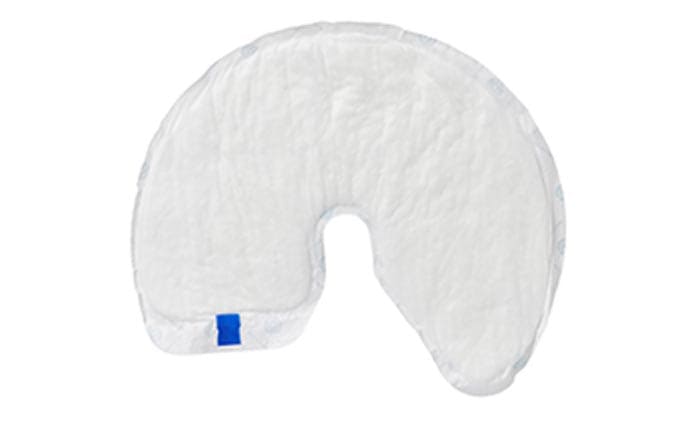
Step 1
Place white side up, round edge towards the head and two flaps toward the legs.
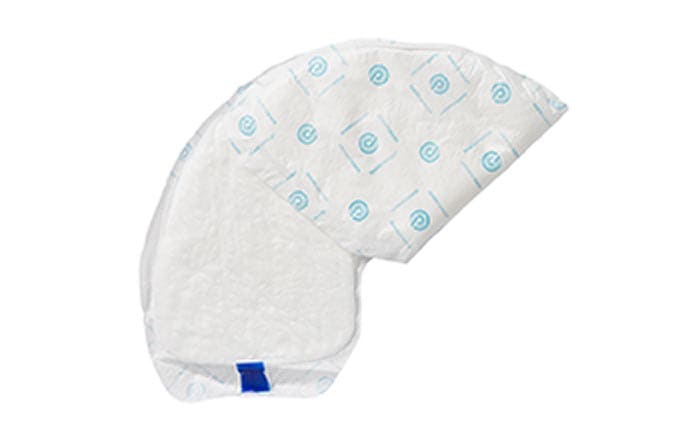
Step 2
Fold pointed flap over penis at 45 degrees, then fold straight flap over, slightly pulling upwards.
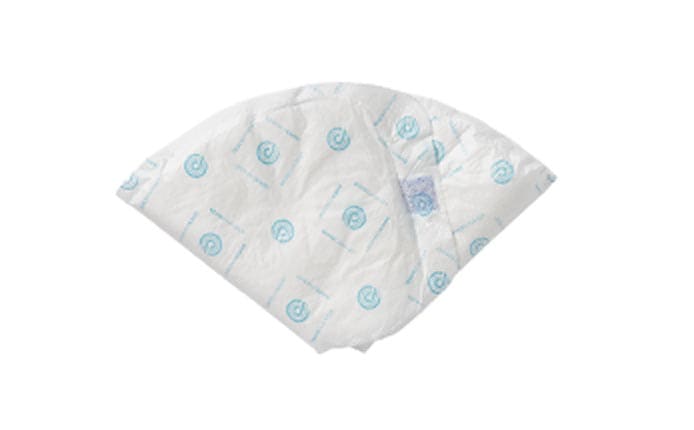
Step 3
With two fingers, pinch the square fastener and inner flap together to ensure attachment. The final application will look like a coffee filter. The opening at the top allows for airflow, thus keeping the entire area dry.
Key Benefits of Our Urine Management Solution


Wrap-Style Design
Helps manage male urinary output while reducing the need for frequent garment changes.

Quick Changes
Designed to support routine incontinence care with less repositioning.

Male-Focused Fit
Created specifically for male urine management in professional care environments.

Discreet Low-Profile Use
Helps make routine incontinence care feel less intrusive.

Support Better Incontinence Care During Rehabilitation
Managing incontinence during rehabilitation often requires balancing patient comfort, hygiene needs, and mobility goals. QuickChange® wraps help simplify routine care while supporting patient dignity throughout recovery.
What QuickChange® Provides for Rehabilitation Centers:
- Professional support
- Support for rehabilitation care environments
- Sample availability
Clinical Studies
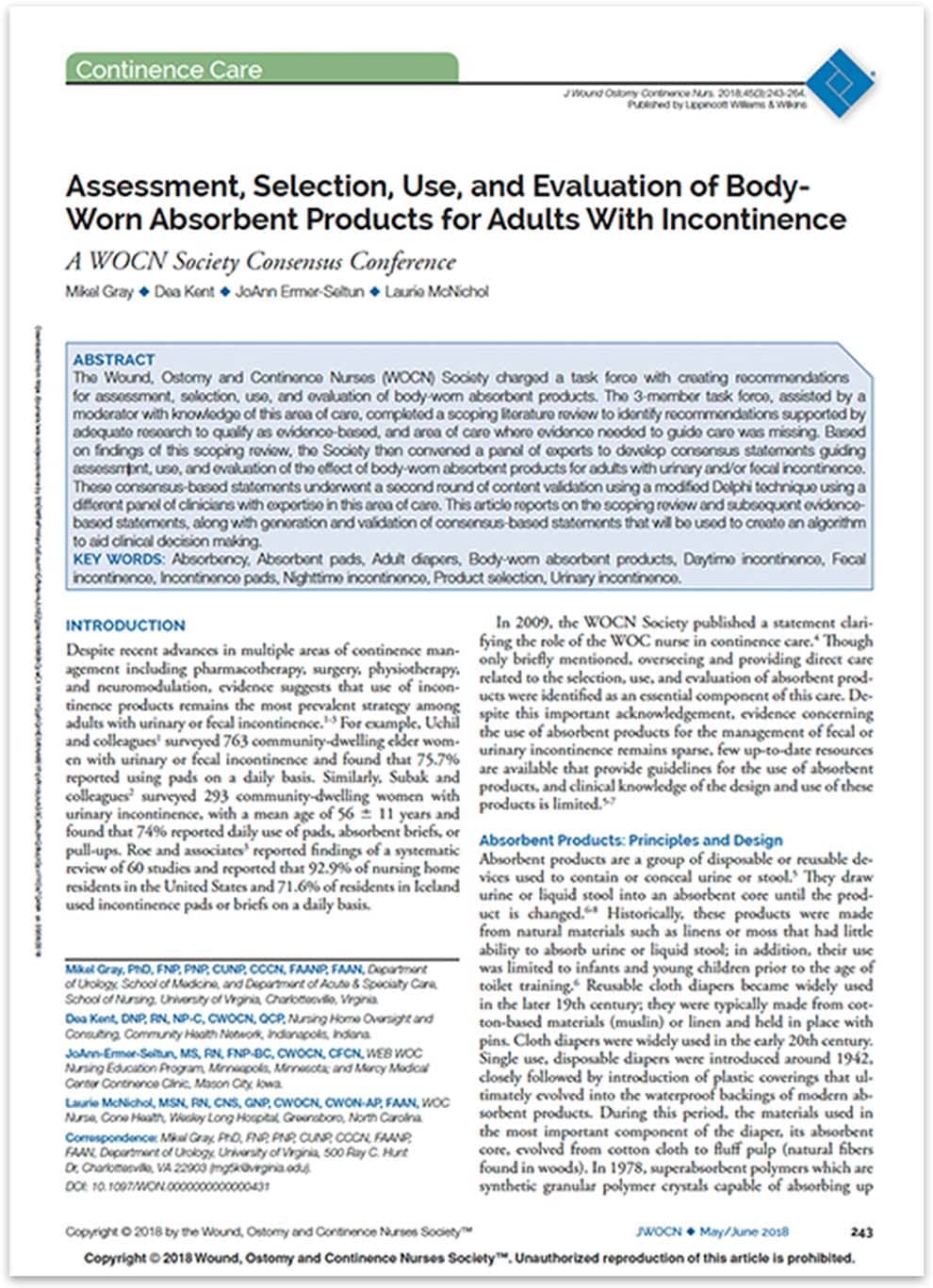
Wound, Ostomy and Continence Nurses (WOCN) Society
Assessment, Selection, Use, and Evaluation of Body-Worn Absorbent Products for Adults With Incontinence
QuickChange
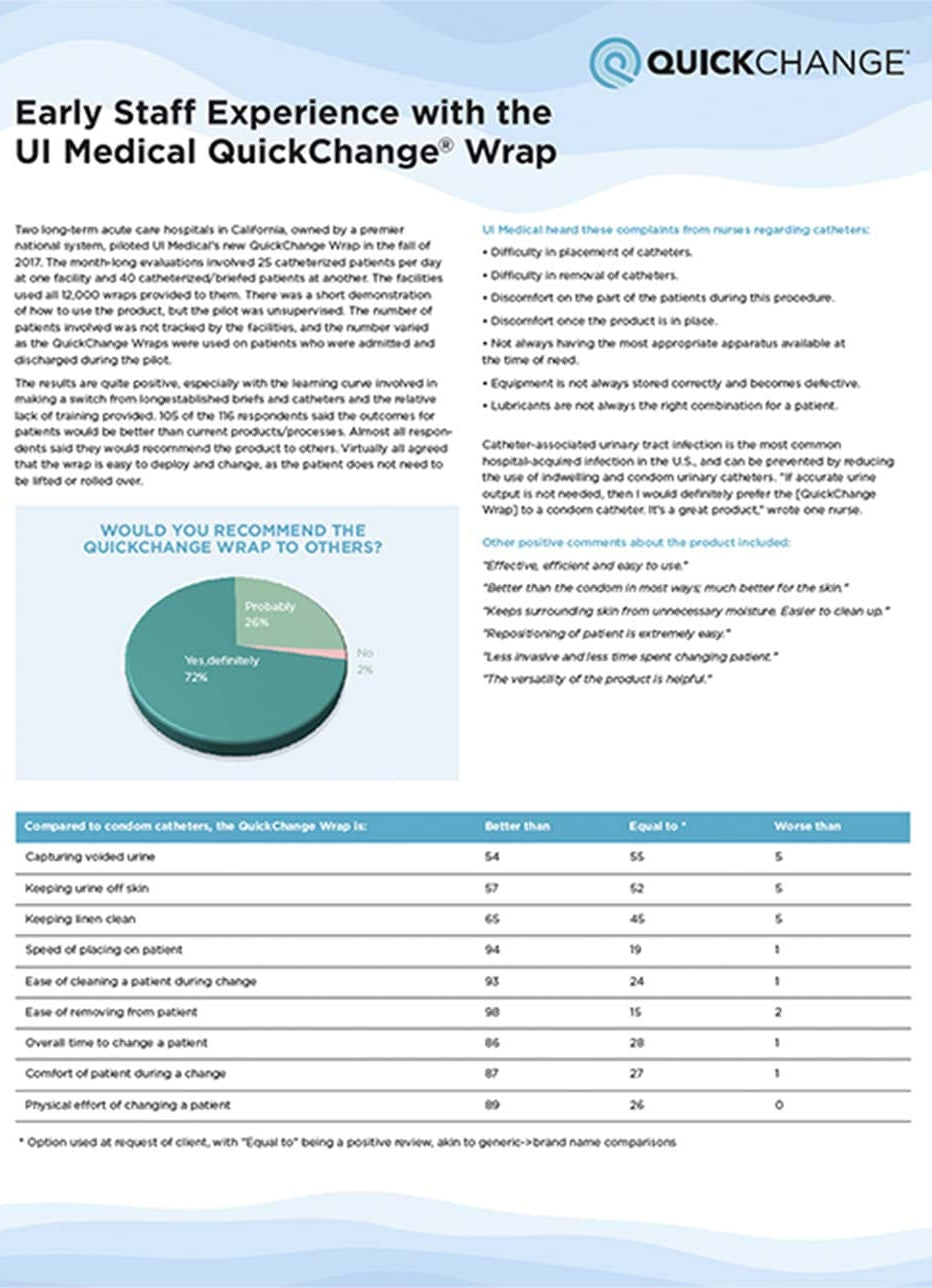
Early Staff Experience with the UI Medical QuickChange® Wrap
Risks of Poor Incontinence Management
Catheter-associated urinary tract infection (CAUTI)
$5,019 to $22,568
Estimated per-patient cost of CAUTI1
Pressure injury
$20,900 to $151,700
Estimated per-patient cost per case of pressure injury2
Incontinence-associated dermatitis (IAD)
High prevalence
Found in up to 42% of hospitalized adults, 83% of ICU patients, 41% of residents in long term care3
- AHRQ, Agency for Healthcare Research and Quality, Estimating the Additional Hospital Inpatient Cost and Mortality Associated With Selected Hospital-Acquired Conditions, Available at https://www.ahrq.gov/hai/pfp/haccost2017-results.html. Accessed August 31, 2020
- Famorca Mary M., MAN, RN, WCC, COCN, CCCN Peworski, Charles, BSN, MSN, RN, Mayo Clinic AZ, Phoenix Arizona, QuickChange Wrap to Prevent HAPI From Use of Foley Catheter and Incontinence. Accessed April 13, 2020.
- Ermer-Seltun, J. Practical Prevention and Treatment of Incontinence-Associated Dermatitis - a Risk Factor for Pressure Ulcers. Ostomy Wound Management.
Supporting Incontinence Care Across Rehabilitation Settings
QuickChange® wraps are designed to support a variety of rehabilitation care environments.

Inpatient Rehabilitation Programs
Supports incontinence care while patients participate in structured recovery plans.

Non-Ambulatory Rehabilitation Patients
Helps manage male incontinence when mobility remains limited.

Neurological Rehabilitation
Supports routine incontinence management for patients recovering from neurological conditions.

Orthopedic Rehabilitation
Helps maintain comfort and hygiene during mobility-focused recovery programs.
QuickChange® for Healthcare Organizations
Explore QuickChange® resources for home health agencies, hospitals, long-term care providers, and other professional care settings.


